1485–1603
The Tudor monarchs, and a reign of nine days
Three generations, says English Heritage — and one teenage queen who lasted only nine days.
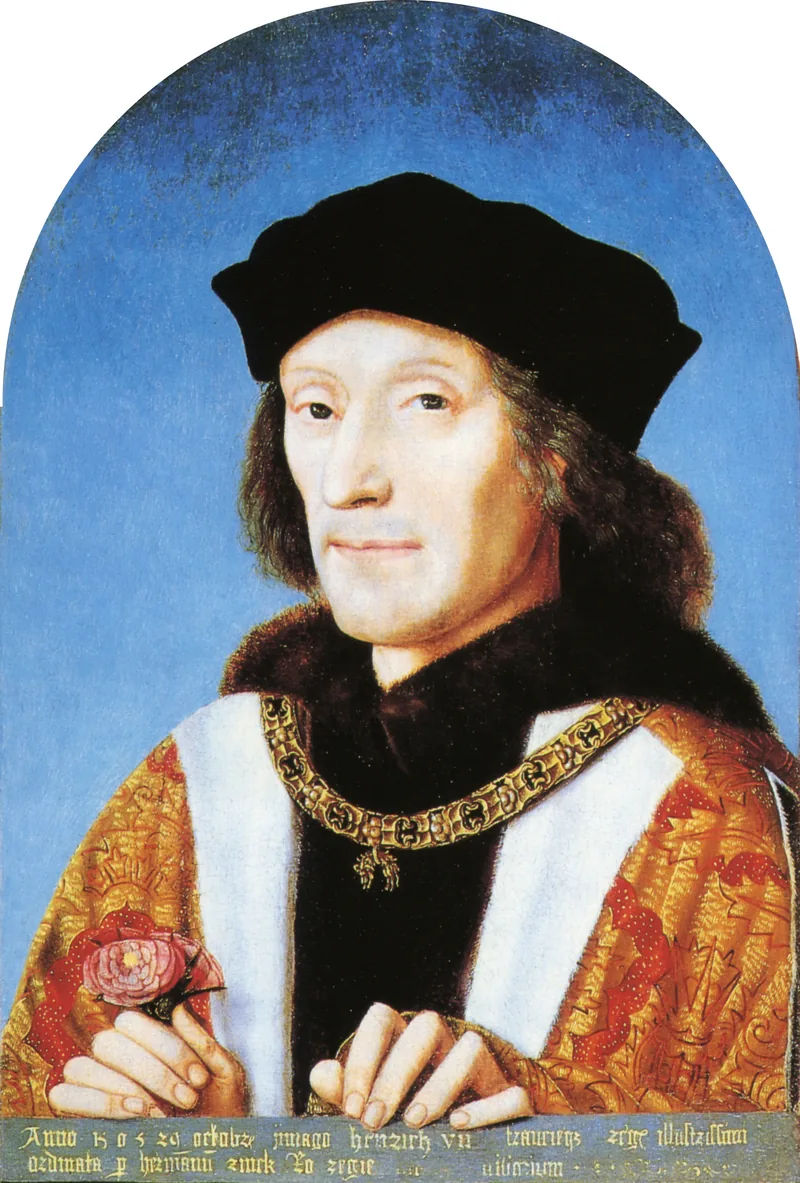
“Henry VII’s (r.1485–1509) victory against Richard III at the Battle of Bosworth ended the turbulent Wars of the Roses.” The same official page dates the later reigns with the same care: Henry VIII (r.1509–47), Edward VI (r.1547–53), Mary I (r.1553–8) and Elizabeth I (r.1558–1603). [source]
The National Archives, on a different official page, groups a longer span as “Early modern (1485–1714),” covering “the Tudor, Stuart and English Civil War eras.” That is a wider official period, not a rewriting of English Heritage’s Tudor dates. [source]
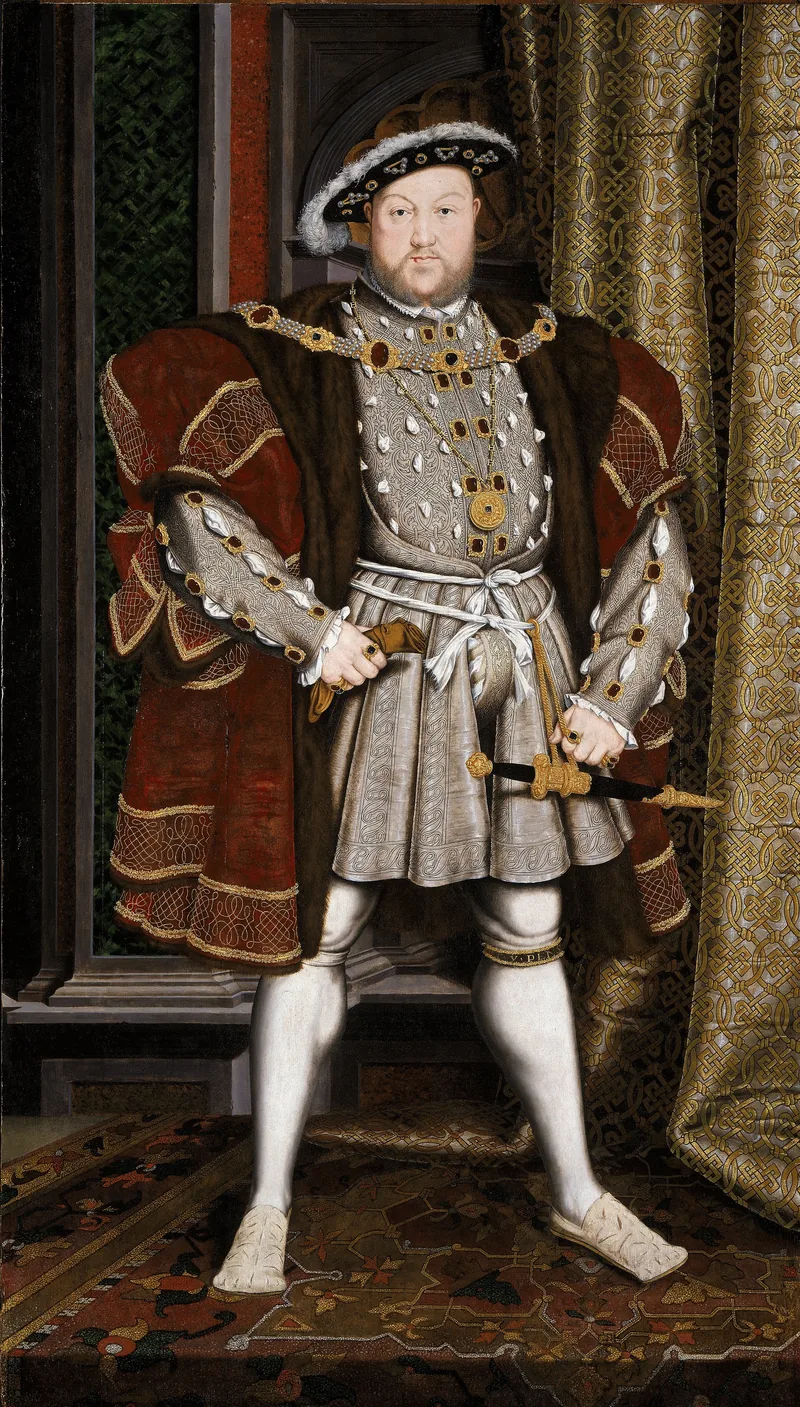
Henry VIII’s decision in 1533, English Heritage says, “initiated the Reformation of English religion, the most crucial event of the Tudor period.” He declared that he, not the Pope, was the head of the Church in England. Along with Thomas Cromwell he launched the Suppression, also known as Dissolution, of the Monasteries (1536–40). [source]
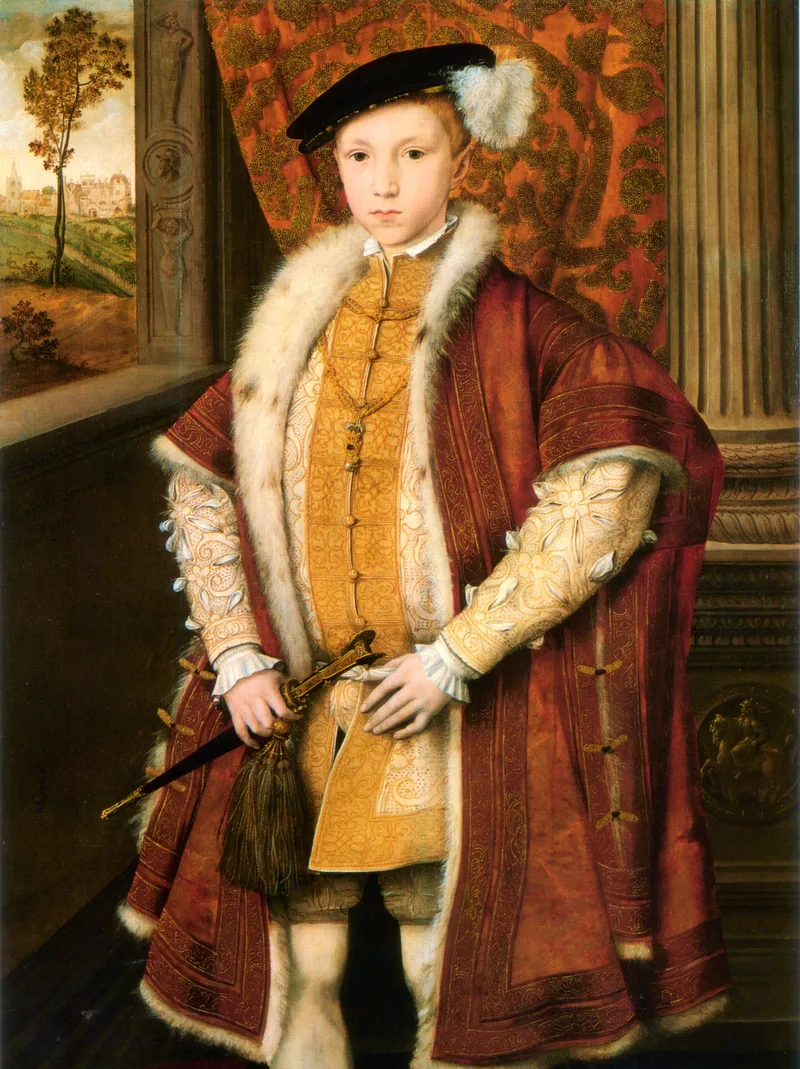
Radical Protestant reform, the same page says, “began only with the accession of the bookish boy-king Edward VI (r.1547–53).” There was “a West Country rising against the new Protestant Book of Common Prayer (1549).”
Then comes the short reign that is hard to forget. “A mortally ill Edward bequeathed the Crown to Northumberland’s teenage daughter-in-law, Lady Jane Grey, a great-granddaughter of Henry VII. But she reigned for only nine days before being ousted by a tide of enthusiasm for the legitimate heir, Mary I (r.1553–8).” [source]
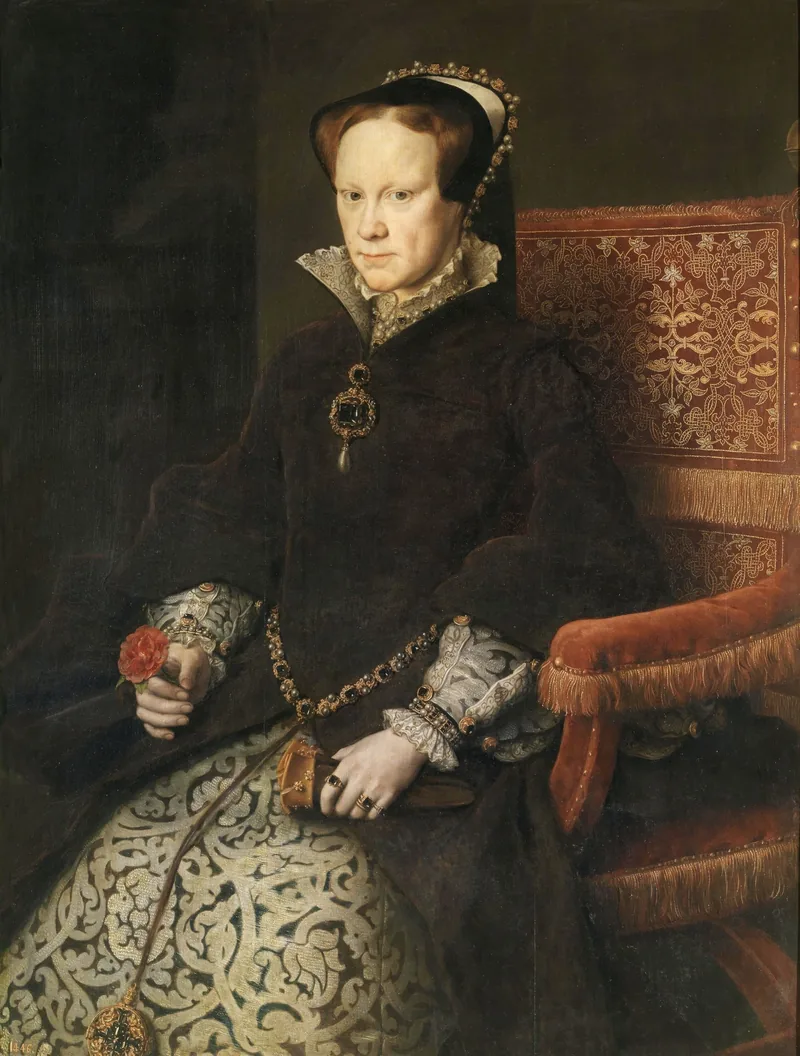
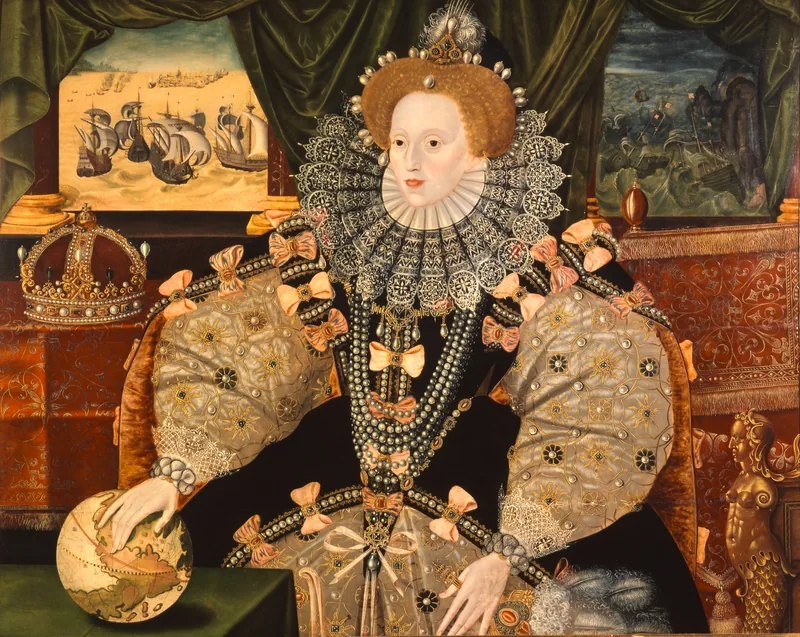
Mary I, “a convinced Catholic,” “immediately set about reversing the Reformation.” Elizabeth I followed (r.1558–1603). Mary, Queen of Scots “was executed in 1587 by order of Elizabeth I.” [source]
Keep exploring
- The Reformation — 1533, the monasteries, and Castle Acre Priory.
- The Spanish Armada — beacons, fireships, and a famous portrait.
- Hampton Court — the favourite house of a king who had over 60 homes.
Enjoyed this Tudor desk?
No pop-ups. No intrusive advertising. Just interesting stuff. A little support helps the next ages.im site get built.